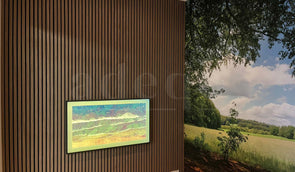
An older home may combine high ceilings, hard surfaces and rooms with very different sound. It may also have noise passing through floors or partitions. Start by identifying which problem you hear. The measures that soften reverberation inside a room are different from those that improve sound insulation.
Table of contents
Identify the sound before changing the room
Notice whether conversation lingers after the speaker stops or whether the main disturbance comes from another room, traffic or a neighbour. The first suggests room reflections; the second involves transmission through the building. Several problems can occur together. Record the location and circumstances rather than choosing a product from the word “soundproofing” alone.
Introduce absorption without losing the interior
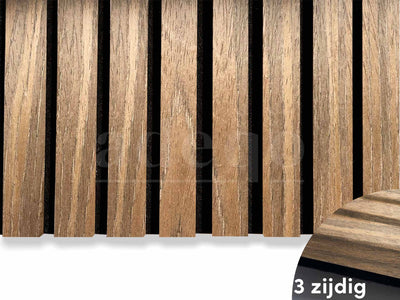
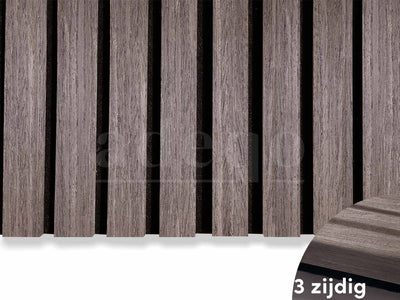
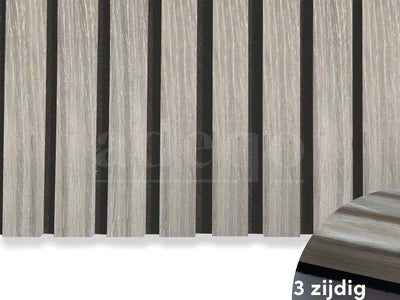
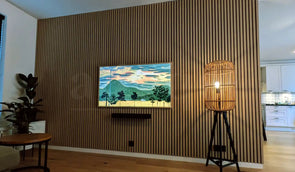
Curtains, rugs and upholstered furniture can complement decorative acoustic panels. The effect depends on material and coverage; a few soft objects will not necessarily balance extensive glass, plaster and hard flooring. A carefully placed veneer feature can sit alongside original doors, cornices and existing timber when its edges and colour are planned.
Check the existing construction
Old plaster, uneven walls and previous repairs need assessment before carrying additional weight. Loose paint, wallpaper or a crumbling surface is not a reliable adhesive base. Have the fixing method suited to the underlying construction. In heritage properties, obtain any necessary approvals before altering fabric or concealing original features.
Treat transmitted noise as a separate project
Sound insulation may involve partitions, floors, doors, gaps and other transmission paths. Do not seal ventilation openings or alter protected constructions simply to stop a noise leak. A building or acoustic specialist can assess what is practical for the property. Acoustic wall panels alone do not replace that work.
Plan a feature that remains serviceable
Keep access to sockets, inspection doors and heating equipment. For ceiling or inclined fitting, use suitable mechanical fixings rather than adhesive alone. Compare wood samples with the original interior, and send room dimensions and photographs when requesting help with quantities. The best layout respects both the building and the way you use it.
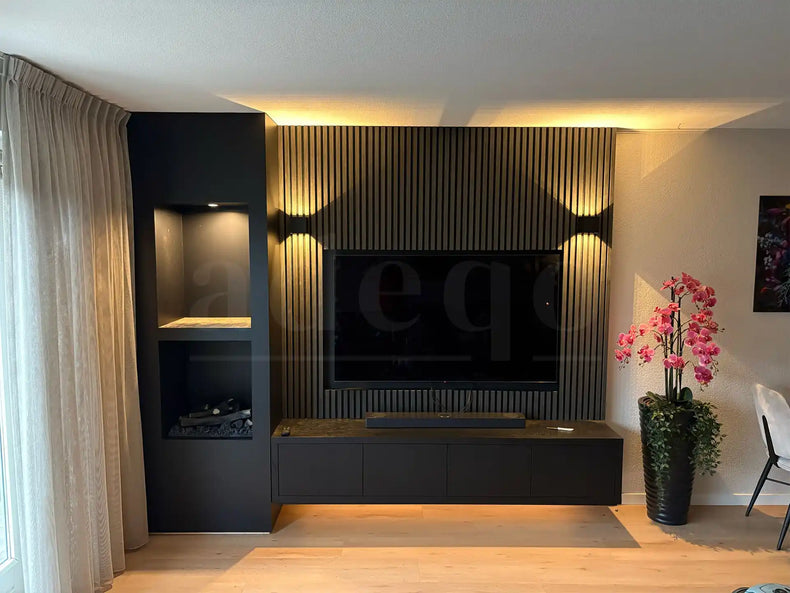
Plan your project with Adeqo
Compare acoustic wall panels and send us your dimensions, photographs and project requirements for help with finishes and material quantities. Read our measuring and installation guide for related planning details.