Bedroom acoustic panels

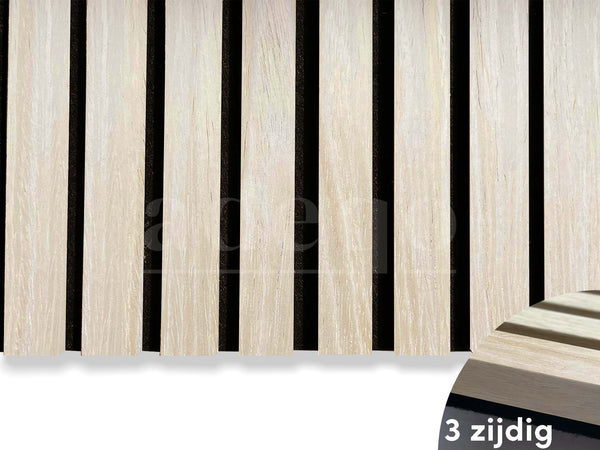
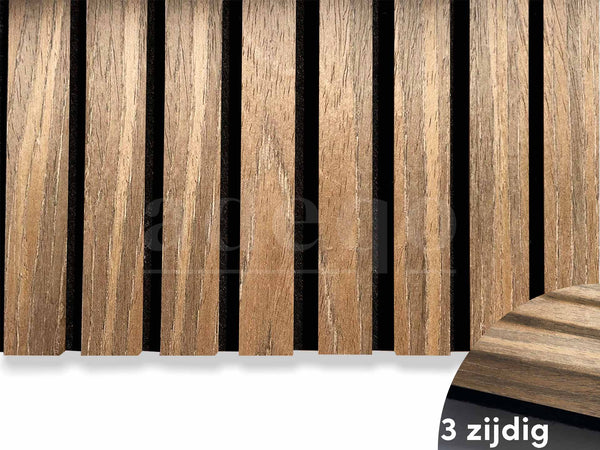
Create a warmer bedroom with wood acoustic panels. Real veneer brings texture behind the bed, while the felt helps reduce reflections within the room. Compare finishes in your own light before choosing.

Explore the range

32 of 32 products
Thomas

Need advice?

Our specialists can help you choose products and calculate quantities.

Message us on WhatsApp

Bedroom acoustic panels

Acoustic panels in the bedroom

A felt-backed slat wall can help soften reverberation in a bedroom with hard surfaces. It does not block traffic or neighbour noise through the building, and does not guarantee a sleep outcome. Keep the veneer dry and dust it gently with a soft brush.

A calmer bedroom with a natural wood finish

Wood slat panels add texture behind a bed and help soften reflected sound in bedrooms with hard floors, large windows or little fabric. Choose a full-height feature wall or a lower headboard arrangement that leaves space for lighting and artwork.

Choose your colour in the room

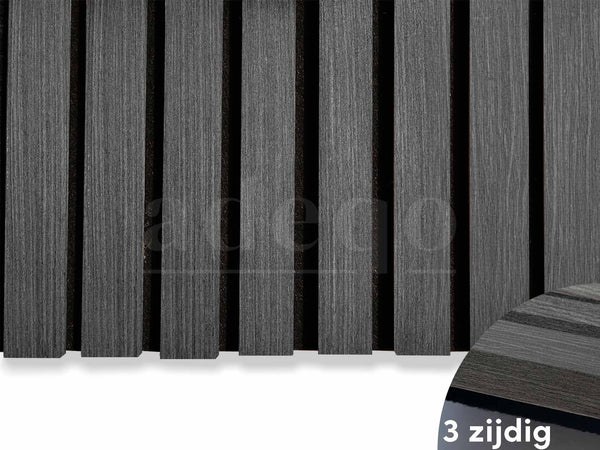
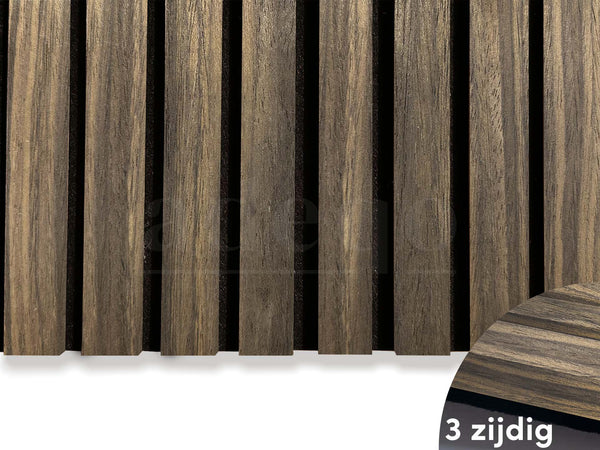
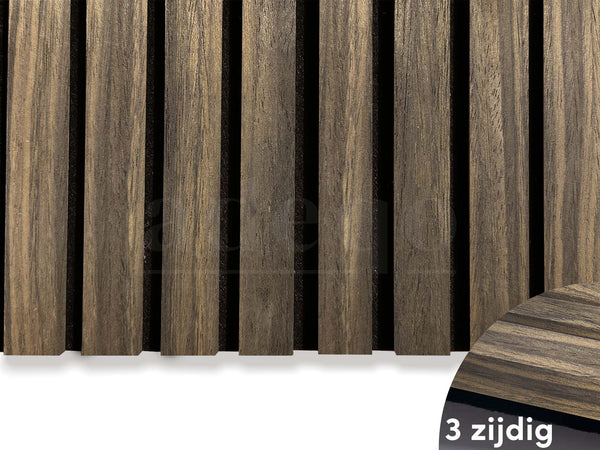
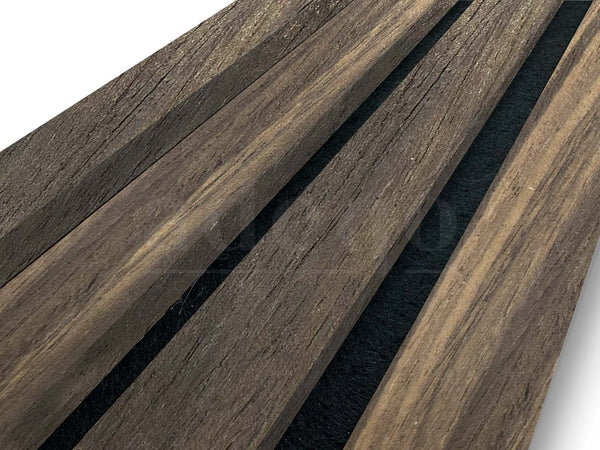
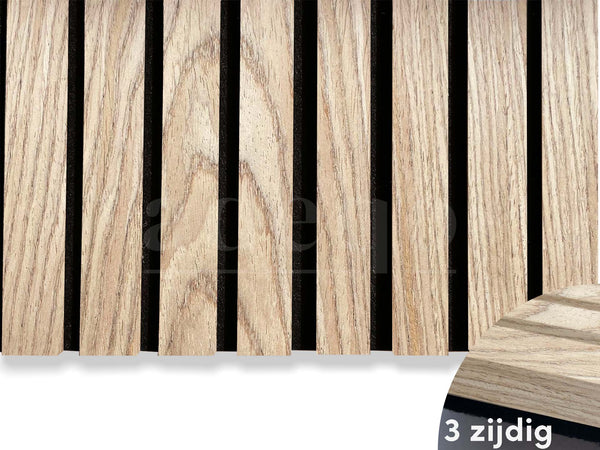
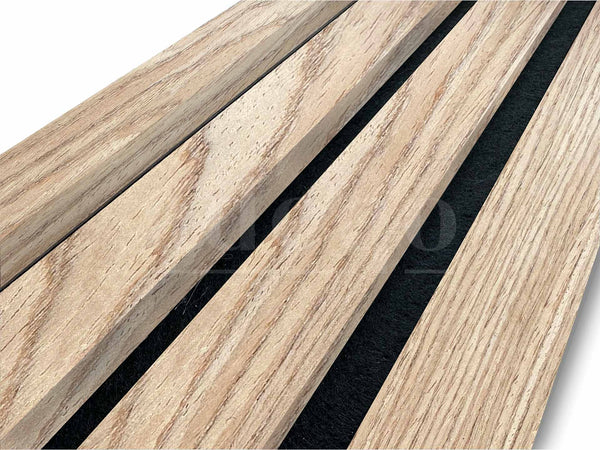
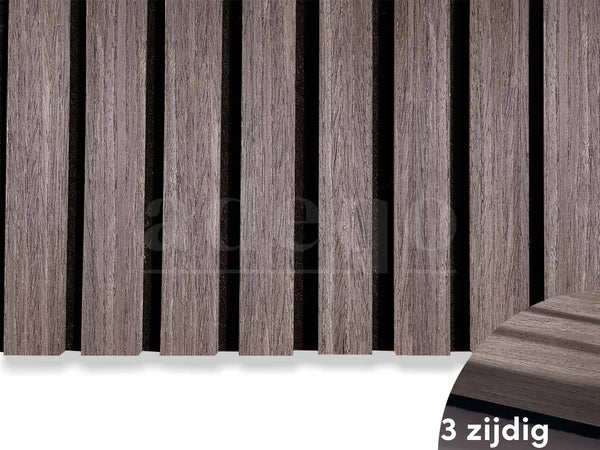
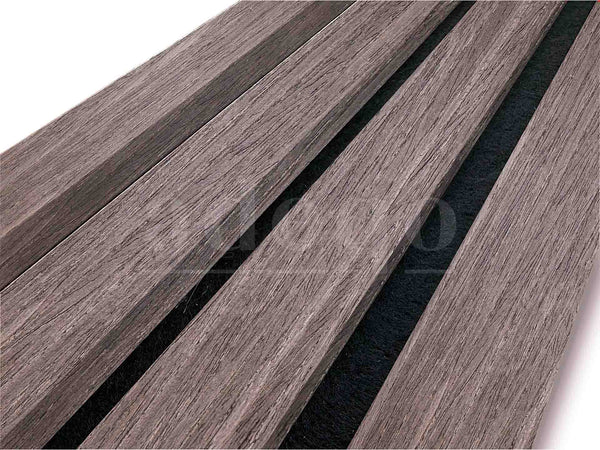
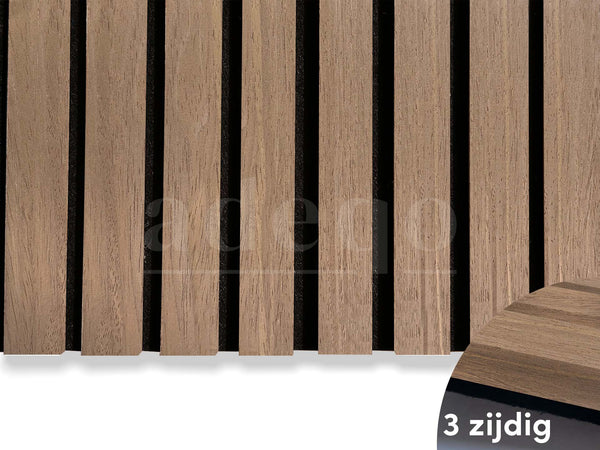
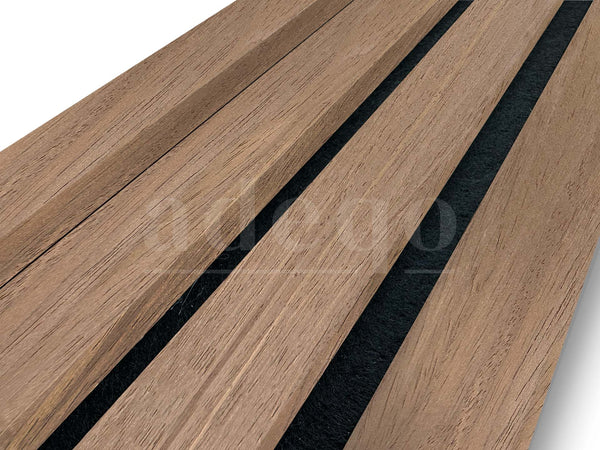
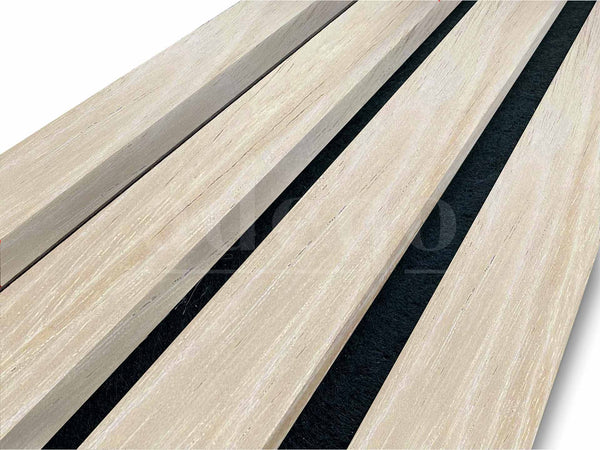
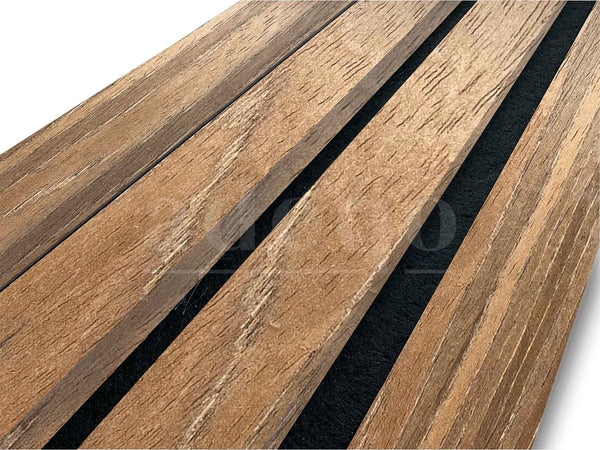
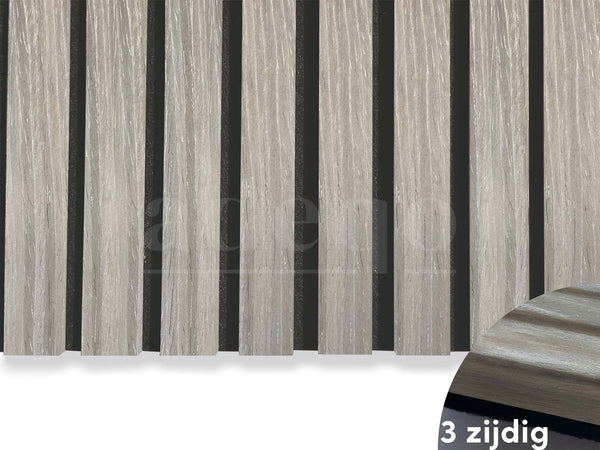
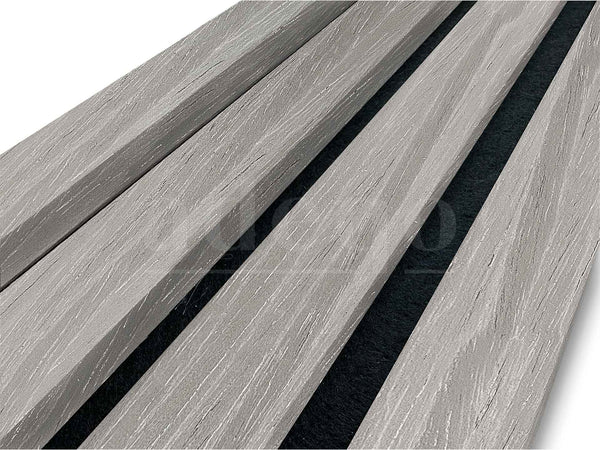
Natural and white oak work well with light flooring and linen. Walnut and smoked oak create a deeper contrast. Real veneer on three sides keeps the slats looking natural from the bed and doorway. Compare samples against your bedding, flooring and evening lighting before choosing.

Measure and plan the details

Standard panels are 60 cm wide, in 260 or 300 cm lengths, and can be cut to size. Plan bedside sockets, switches and wall lights before installation. Match the panel layout to the bed and finish exposed edges with end trims.

Absorption rather than soundproofing

The felt helps absorb reflections inside the room. It does not block noise through a party wall or guarantee better sleep. Acoustic results depend on the mounting method and the amount of treatment. For ceiling installation, always use mechanical fixings.

Bedroom acoustic panels

Simple installation

Fit panels to a suitable clean, dry and sound wall with the appropriate mounting adhesive or screws. Standard widths are 60 cm, with 260 or 300 cm lengths. Measure the layout and include matching end trims. Always use mechanical fixings on ceilings.

Contact Adeqo

Frequently asked questions

Use a full-height feature behind the bed or a lower slat headboard arrangement. Match the width to the bed and bedside tables, plan lights and sockets before fitting, and compare veneer samples with bedding and flooring.

Use a full-height feature behind the bed or a lower slat headboard arrangement. Match the width to the bed and bedside tables, plan lights and sockets before fitting, and compare veneer samples with bedding and flooring.

For a full-height wall, divide its width by the panel width and round up. Standard panels are 60 cm wide; a 3 m-wide wall needs five full-width panels if the selected length covers its height. Draw the cut layout and allow for waste. For acoustic treatment, coverage depends on the room and mounting; 30–40% of wall area is an initial guide, not a guaranteed result.

Yes, when the problem is reverberation inside the room. Felt-backed panels absorb some reflected sound and can make a hard-surfaced bedroom sound less echoey. They do not block noise from neighbours or outdoors; sound insulation requires separate attention to the building construction.

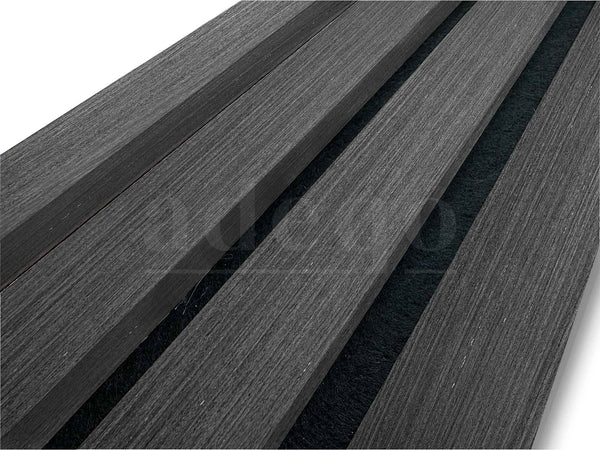
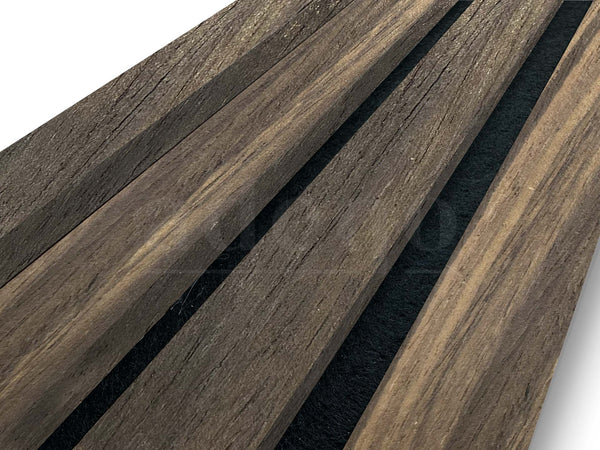
Adeqo panels combine MDF slats with real wood veneer on three sides and a recycled PET felt backing. Gaps between the slats let sound reach the felt. In the standard range, B-s1,d0 applies to the felt only; check the complete assembly requirements for your project.