Acoustic panels for TV walls

Make a feature of the wall behind your television. Wood acoustic panels bring texture and help control reflections in the room. Plan the bracket, sockets, cables and service access before installation for a tidy finish.

Acoustic panels for TV walls
14 of 14 products
Thomas

Need advice?

Our specialists can help you choose products and calculate quantities.

Message us on WhatsApp

Acoustic panels for TV walls

Why use acoustic panels behind a TV?

Wood slats over an absorbent felt backing create a decorative feature while treating reflected sound. This can reduce reverberation in a hard-surfaced room. It does not soundproof the room. The TV bracket must be anchored to the underlying structure rather than to the slats or felt.

Create a wood slat TV wall

Acoustic panels turn a plain TV wall into a defined feature and help absorb reflected sound in the room. Continue the slats behind a floating cabinet, use a narrow central section, or create a floor-to-ceiling wall with contrasting paint alongside it.

Plan the bracket and cables first

The television must be fixed to a suitable structural wall or supporting frame. The panel felt and decorative slats are not a TV support. Mark the bracket, sockets and cable routes before cutting, and retain access to connections. Electrical alterations should be carried out by a qualified professional.

Choose real wood veneer

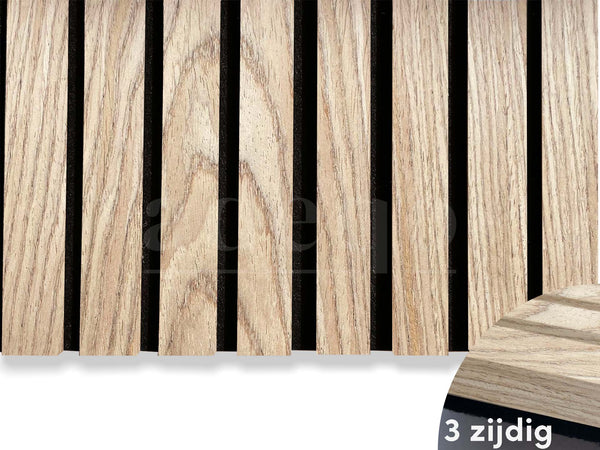
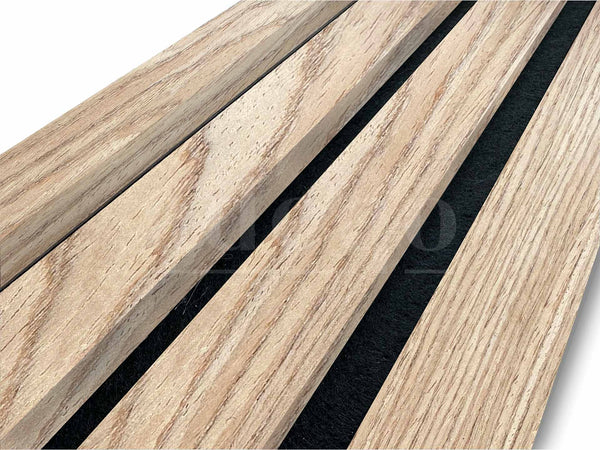
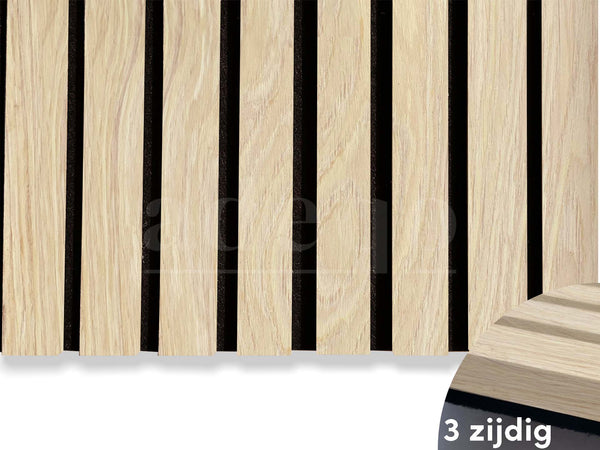
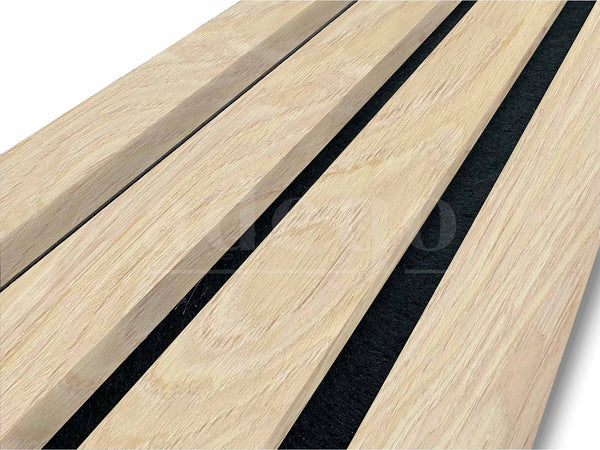
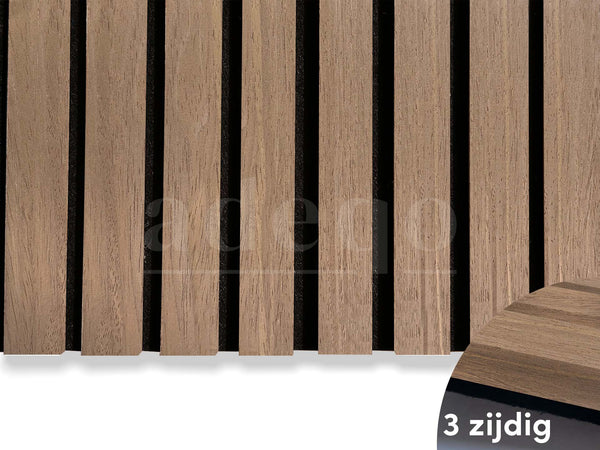
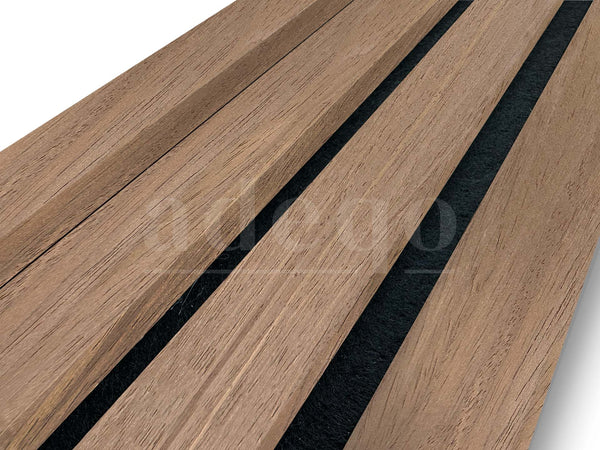
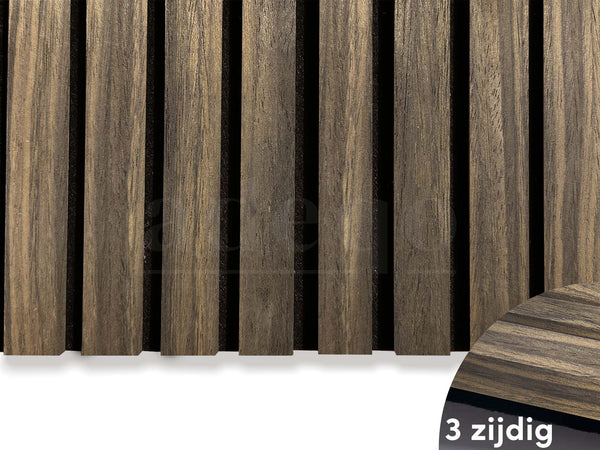
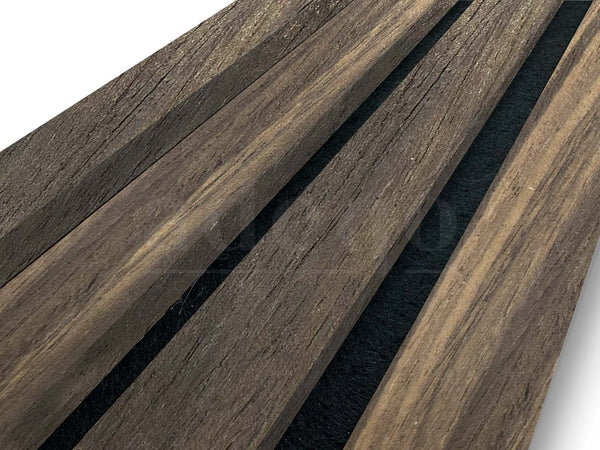
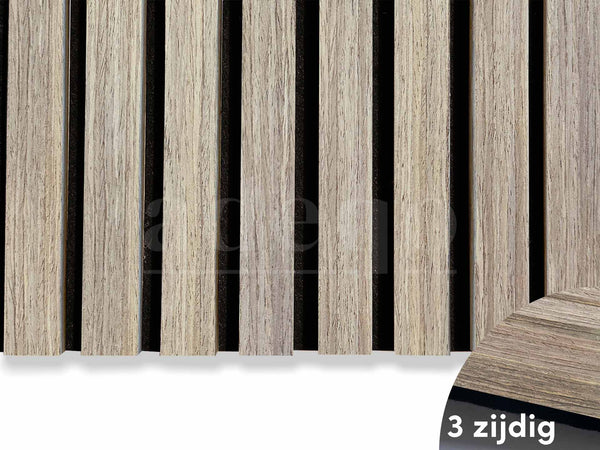
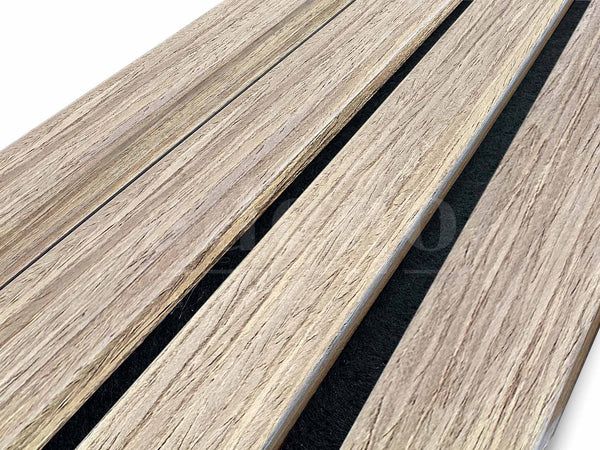
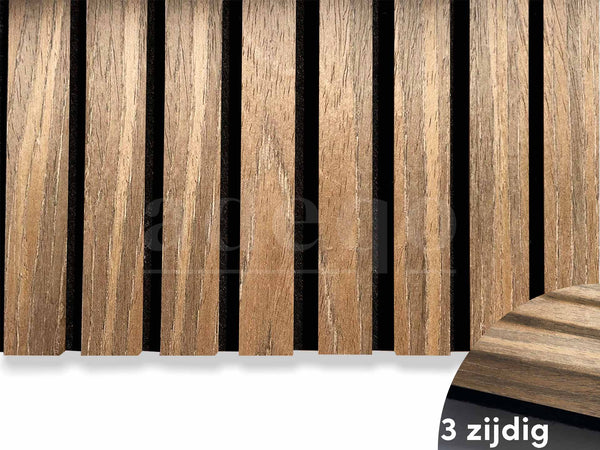
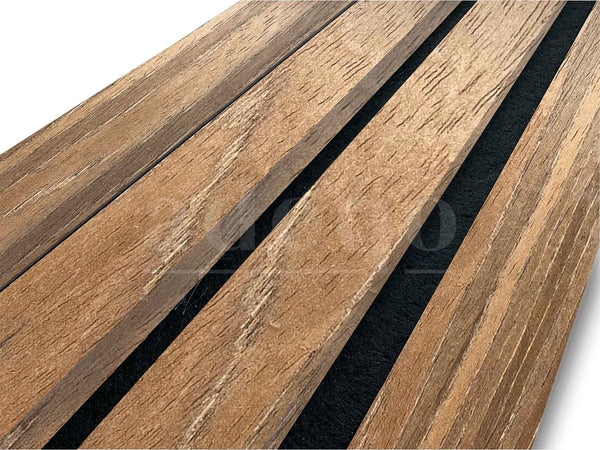
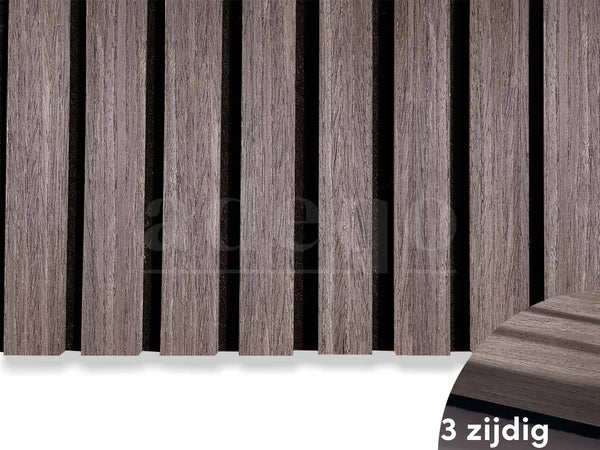
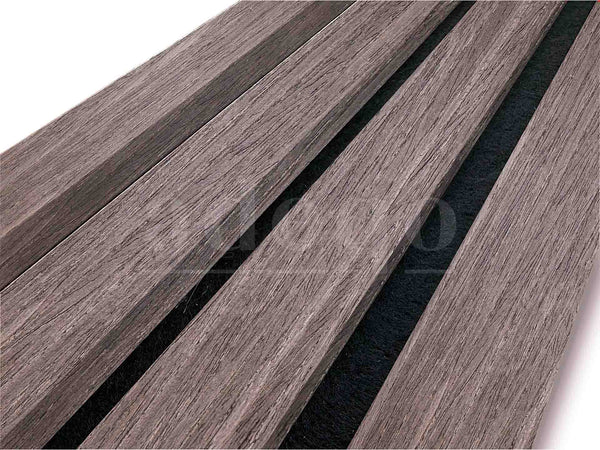
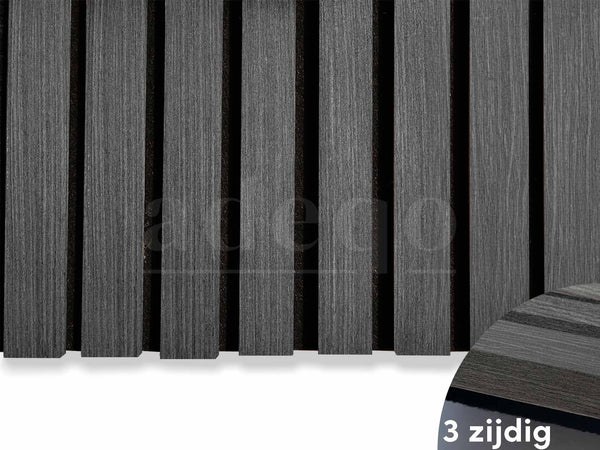
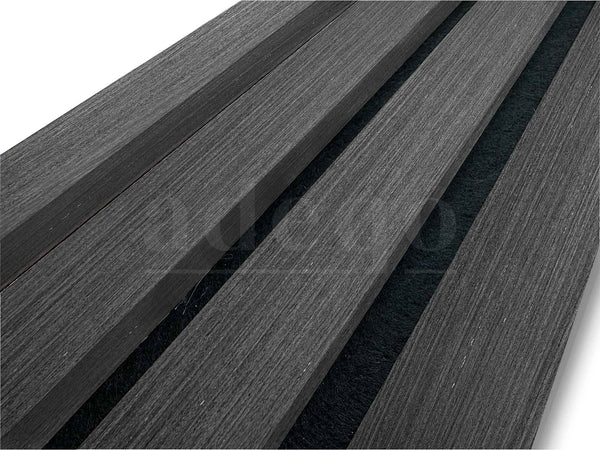
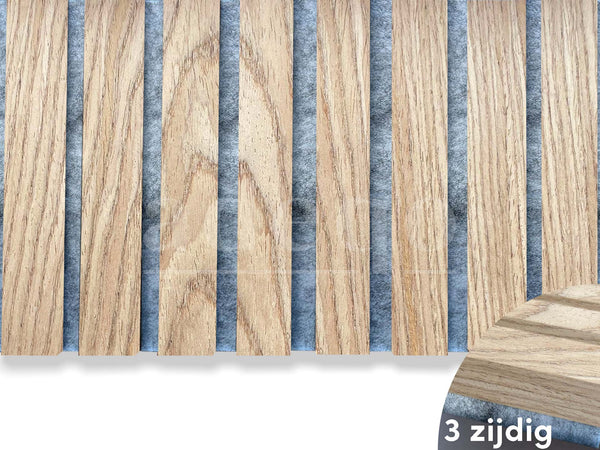
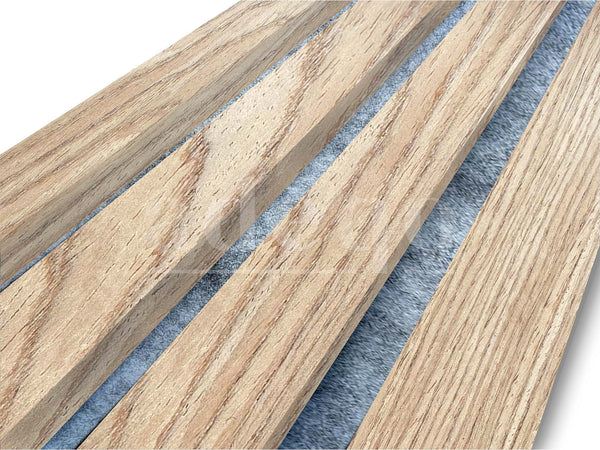
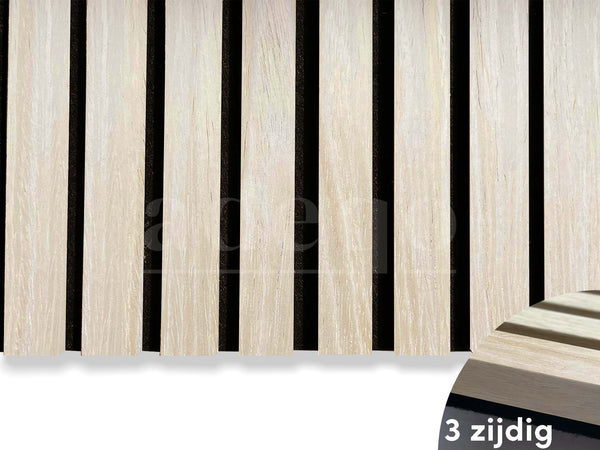
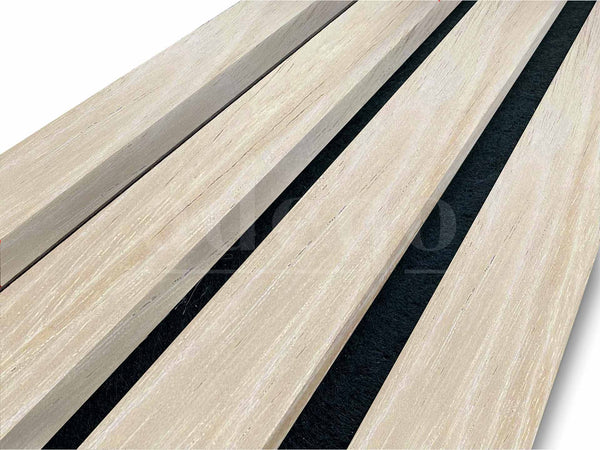
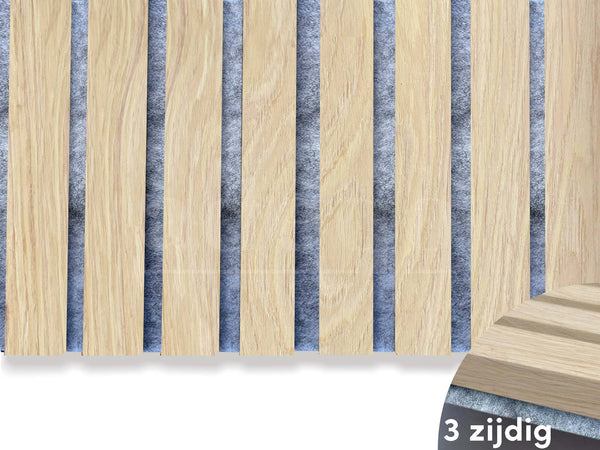
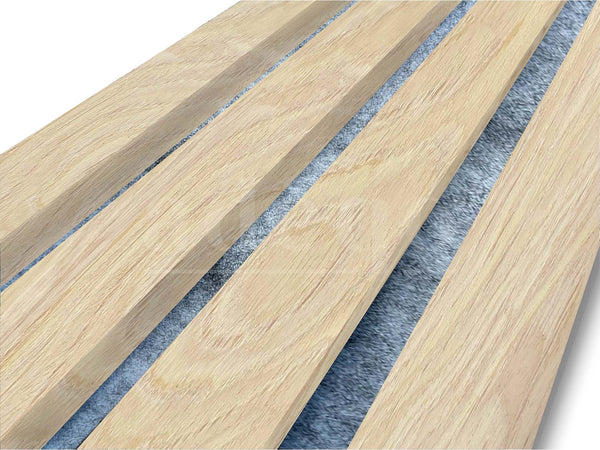
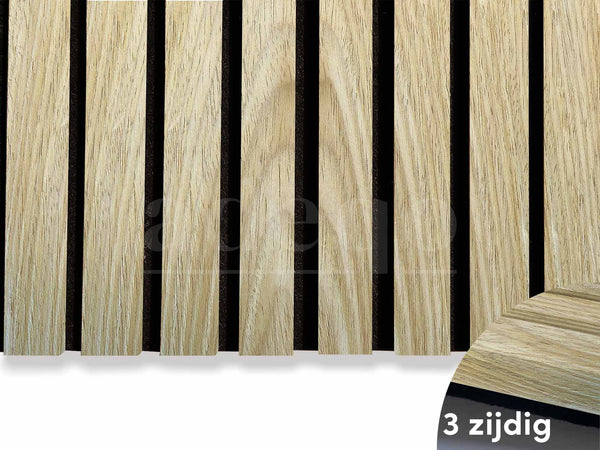
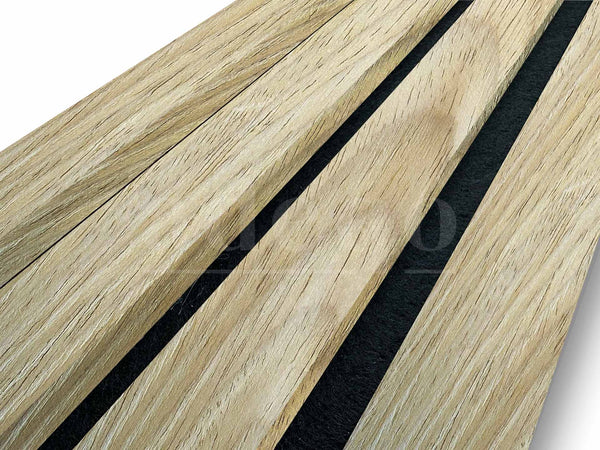
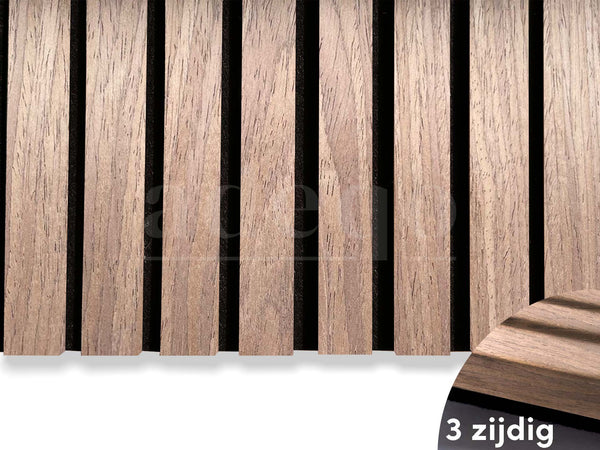
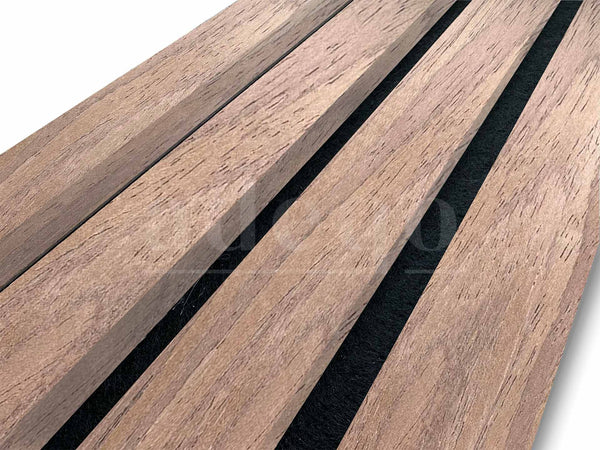
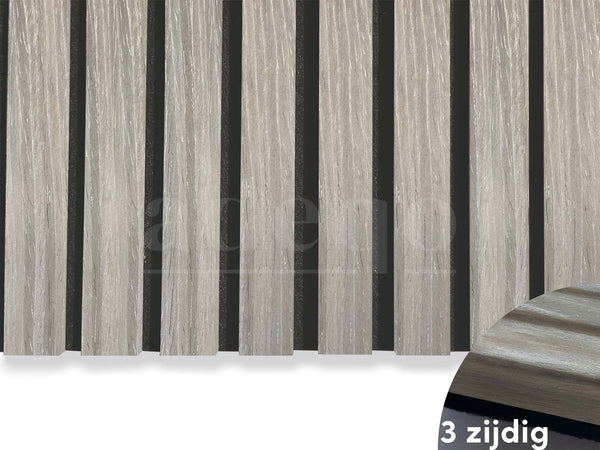
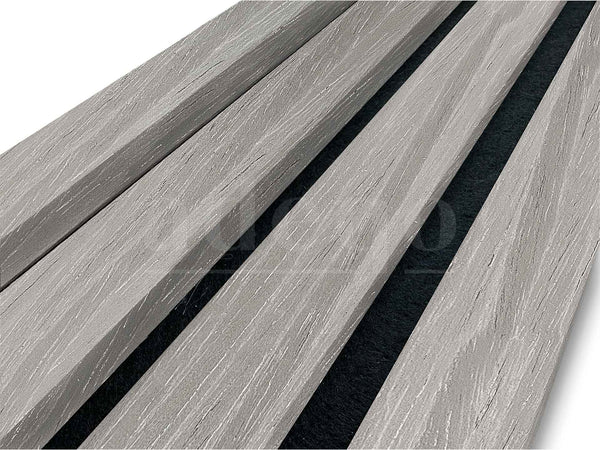
Adeqo slats have veneer on the front and both sides, giving a natural finish even in the side lighting often used around TV walls. Compare natural oak, walnut and black finishes in your own room. Standard panels are 60 cm wide and 260 or 300 cm long; cut them to fit and finish exposed edges with matching end trims.

Keep heat and acoustic performance in perspective

Panels reduce reverberation; they do not soundproof your home cinema. Class A absorption and NRC 0.90 apply to the tested configuration. Near a fireplace, follow the appliance manufacturer's material and clearance requirements. B-s1,d0 does not mean non-combustible, and the standard panel classification covers the felt only.

Order samples and share your wall dimensions with our team to plan the right materials.

Acoustic panels for TV walls

How many panels do you need behind the TV?

Measure the width of the area you want to cover and divide it by 0.60 m, rounding up to whole panels. A 3 m-wide full-height feature needs five full-width panels when the chosen length covers its height. A smaller accent can use fewer panels; draw the layout and allow for cuts.

Acoustic panels for TV walls

Frequently asked questions

In-stock delivery in the Netherlands and Belgium normally takes 1–3 working days. The product page shows expected availability where stock is limited. Large project deliveries are scheduled by arrangement. Contact Adeqo for confirmed lead times in other delivery countries.

Acoustic panel delivery in the Netherlands and Belgium costs €5.95 and is free from €98. Composite cladding uses separate freight rates. Other destinations need their own confirmed rates and delivery arrangements; contact us with your address and planned order.

Standard acoustic panels are 60 cm wide and available in 260 or 300 cm lengths. The separate fire-retardant range also includes selected 60 × 60 cm square panels. Check the dimensions and availability of the exact finish before ordering.

For a full-height wall, divide its width by the panel width and round up. Standard panels are 60 cm wide; a 3 m-wide wall needs five full-width panels if the selected length covers its height. Draw the cut layout and allow for waste. For acoustic treatment, coverage depends on the room and mounting; 30–40% of wall area is an initial guide, not a guaranteed result.

Sound reaches the porous felt through the gaps between the slats. The backing absorbs part of the reflected sound and helps reduce reverberation. Class A absorption and NRC 0.90 apply to the tested installation configuration; results in a room depend on coverage and mounting. Panels do not replace sound insulation against noise through walls.

Sound reaches the porous felt through the gaps between the slats. The backing absorbs part of the reflected sound and helps reduce reverberation. Class A absorption and NRC 0.90 apply to the tested installation configuration; results in a room depend on coverage and mounting. Panels do not replace sound insulation against noise through walls.

Sound reaches the porous felt through the gaps between the slats. The backing absorbs part of the reflected sound and helps reduce reverberation. Class A absorption and NRC 0.90 apply to the tested installation configuration; results in a room depend on coverage and mounting. Panels do not replace sound insulation against noise through walls.